Top Stories
Link to AI Tinkery launches school network and playbook to help educators navigate AI in their classrooms
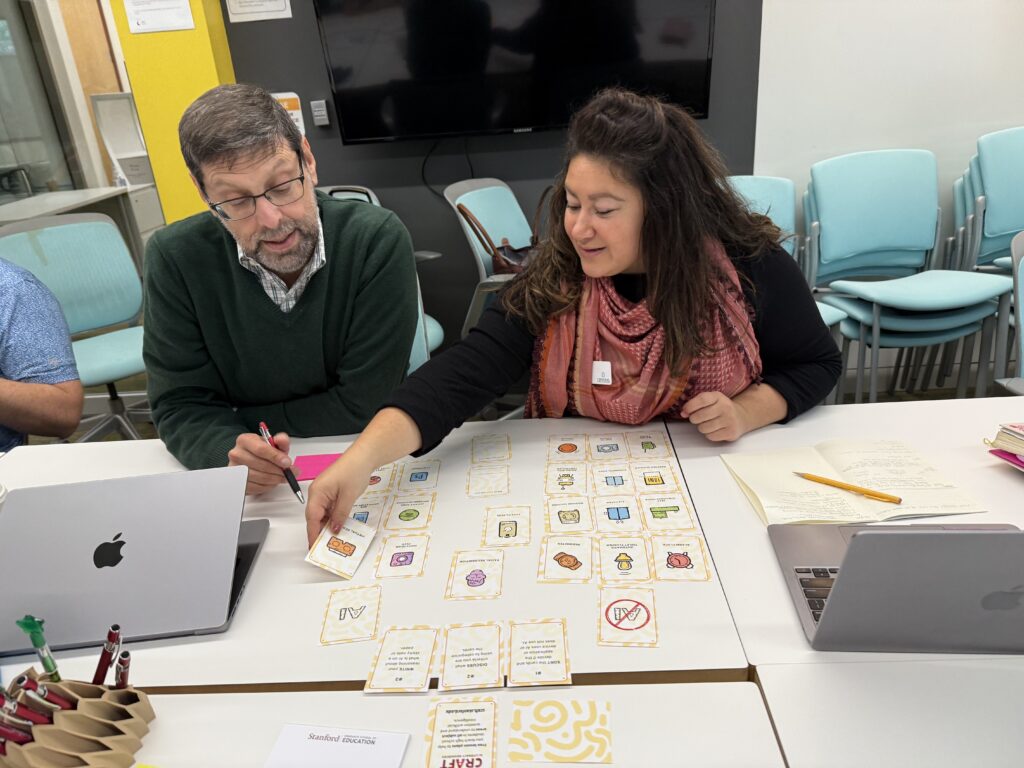
AI Tinkery launches school network and playbook to help educators navigate AI in their classrooms
The physical and digital makerspace for generative AI, which has been supporting Stanford students, staff, and faculty since 2024, is expanding to schools and classrooms across the world.
Link to Measuring what matters: New Stanford white paper provides a roadmap for creating responsible student assessments in the AI era
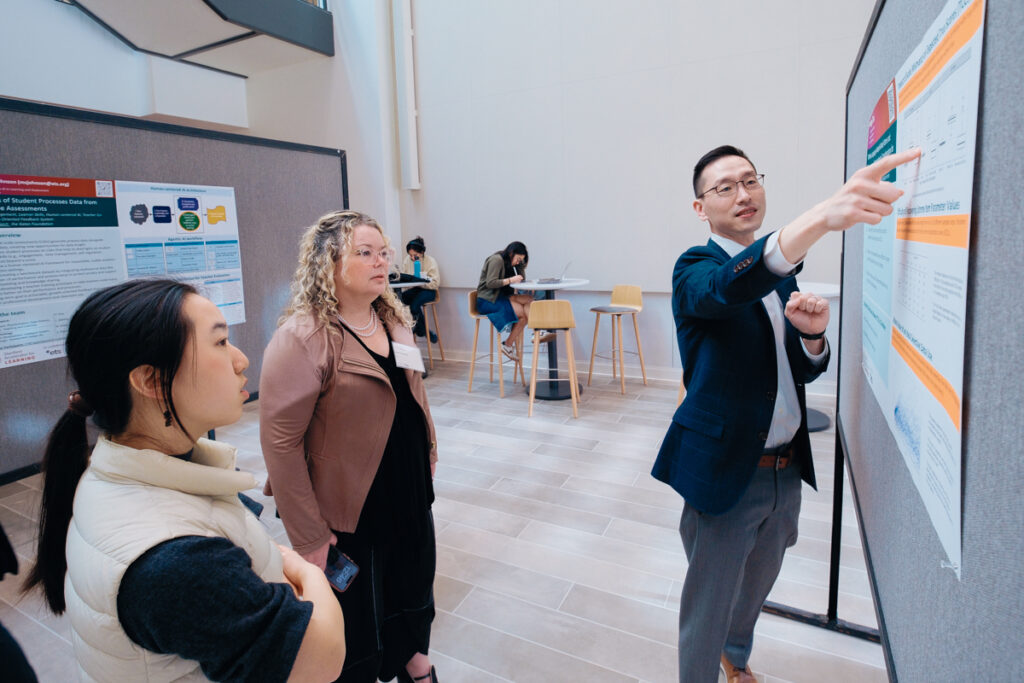
Measuring what matters: New Stanford white paper provides a roadmap for creating responsible student assessments in the AI era
AI is changing what, where, and how testing happens. How can schools, teachers, and test developers respond?
Link to Health warnings could reduce young people’s social media use

Health warnings could reduce young people’s social media use
Teens and young adults say that health warning labels on social media would help them reduce their social media use, a Stanford Medicine study showed.
Link to Getting down to facts: Education policy at scale
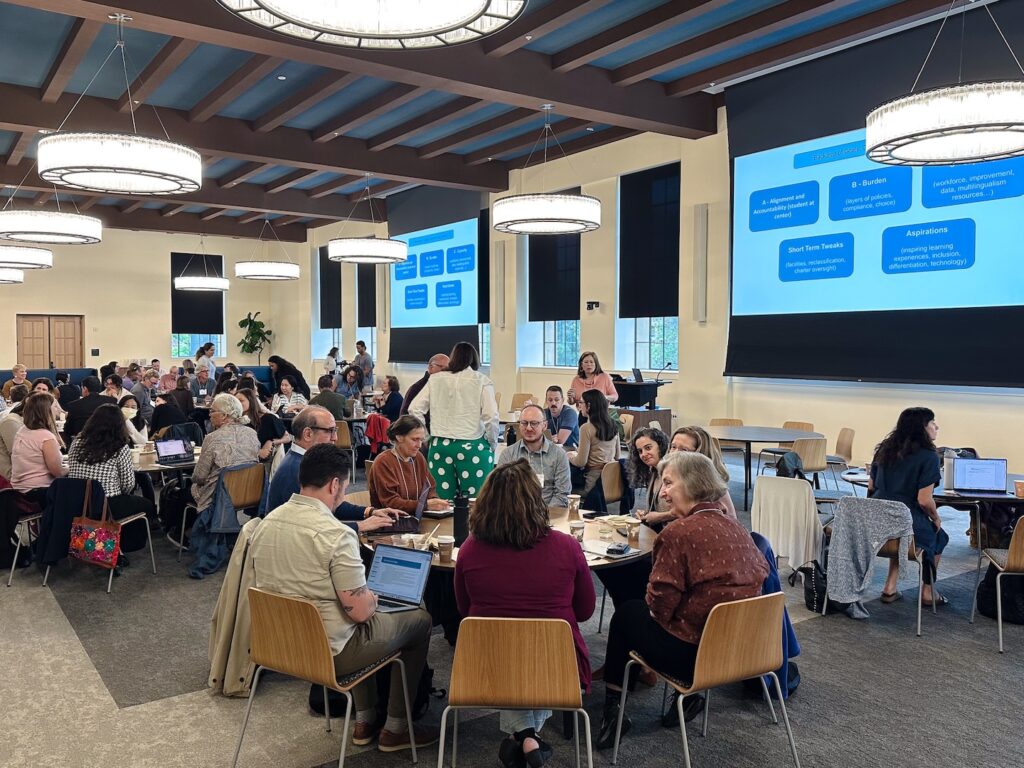
Getting down to facts: Education policy at scale
A major research effort led by Stanford Professor Susanna Loeb reveals opportunities and gaps in California’s education system.
More stories
Link to Autistic teens ‘tune in’ less to new voices

Autistic teens ‘tune in’ less to new voices
A new Stanford Medicine study finds differences in how autistic teens process unfamiliar voices, pointing toward new therapies for adolescents.
Link to Accelerator faculty leadership appointed to endowed chairs
Accelerator faculty leadership appointed to endowed chairs
Victor Lee and Susanna Loeb are honored with the distinguished academic titles.
Link to Stanford education experts put AI into perspective
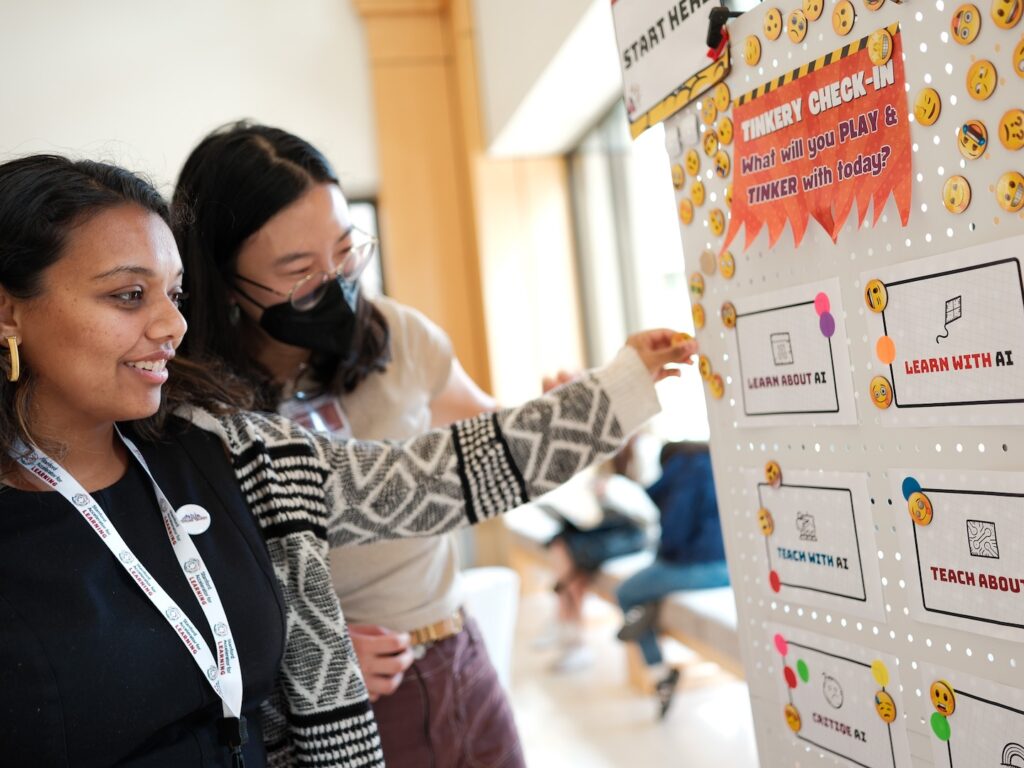
Stanford education experts put AI into perspective
Researchers are taking an evidence-based approach to AI’s influence on education, weighing the risks while prioritizing meaningful learning.
Link to U.S. student achievement was falling long before pandemic, study finds

U.S. student achievement was falling long before pandemic, study finds
Education researchers at Stanford, Harvard, and Dartmouth find uneven improvements in test scores while identifying promising districts where progress is being made.
Link to Catalyzing early-career potential in the AI era
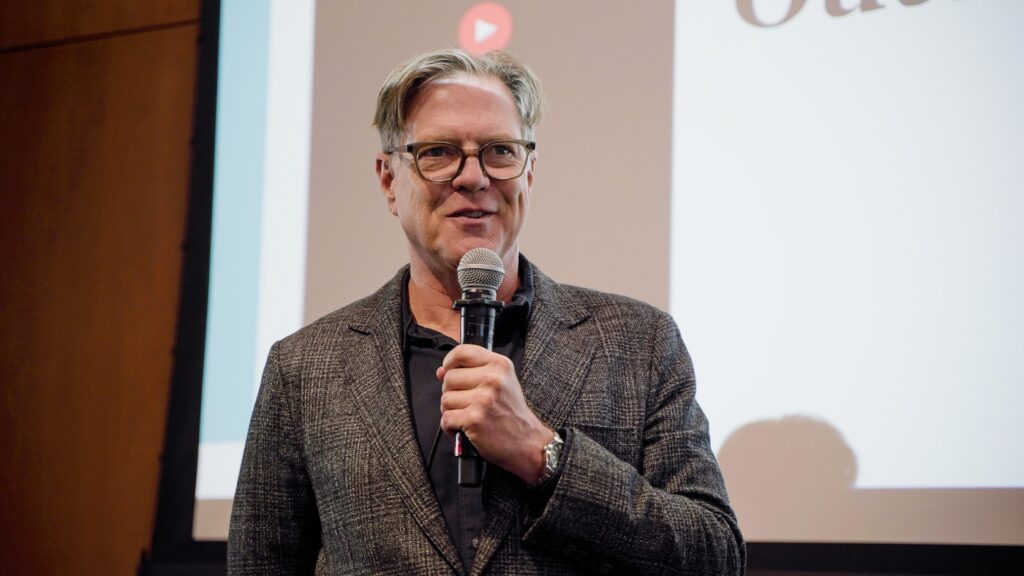
Catalyzing early-career potential in the AI era
A recent Stanford convening brought together leaders across sectors to design solutions that support early-career workers to access quality jobs and advance their careers.
Link to Stanford announces $1 million in seed grants to shape the future of AI in education
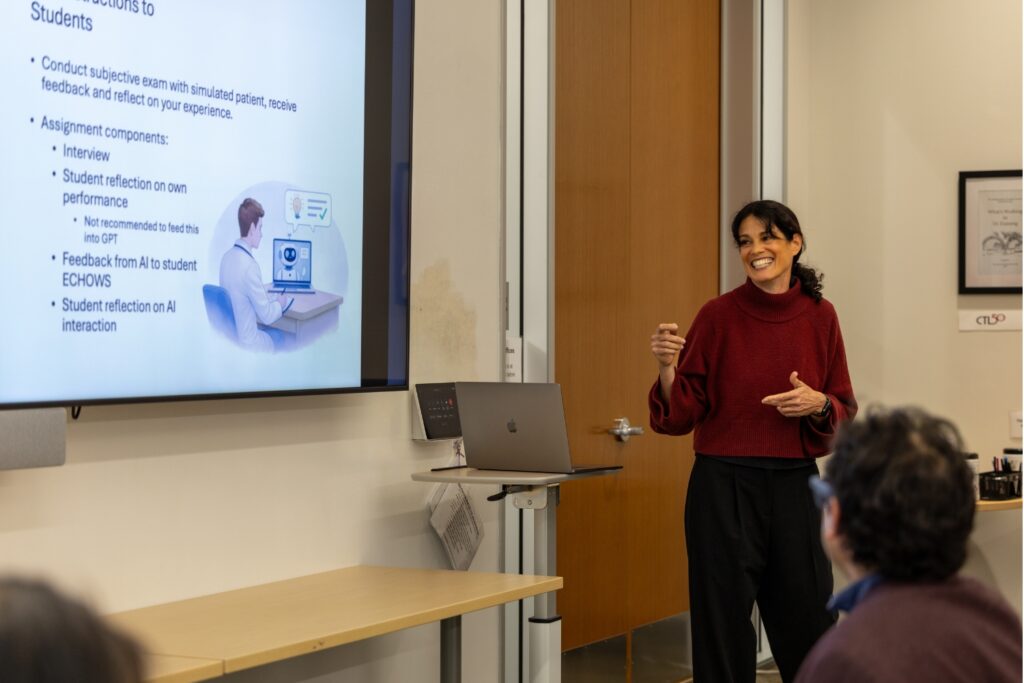
Stanford announces $1 million in seed grants to shape the future of AI in education
A new university-wide initiative provides funding for courses, research, and critical thinking about AI in teaching.
Link to A new model for learning and work, incubated at Stanford
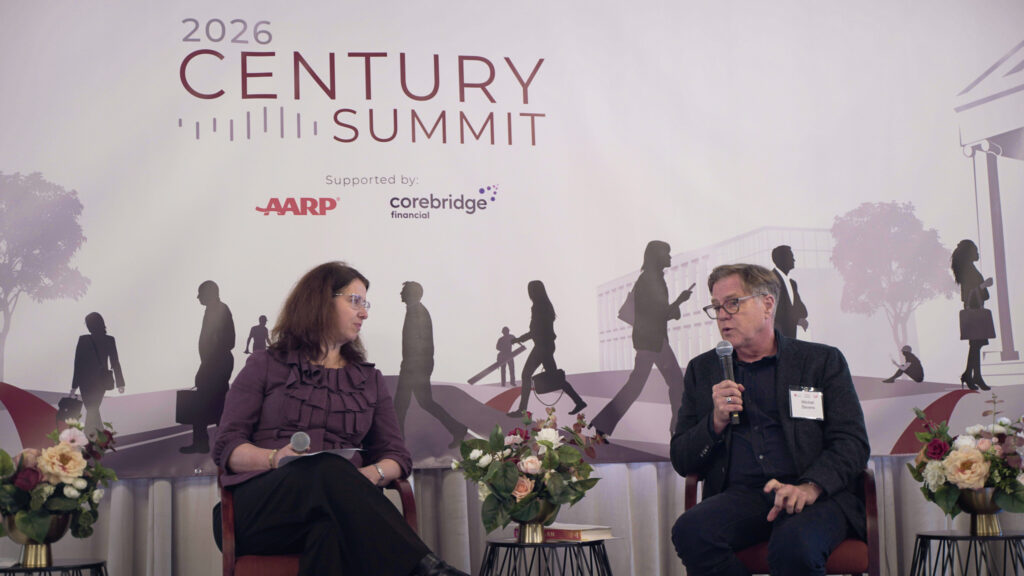
A new model for learning and work, incubated at Stanford
Accelerator Faculty Affiliate Mitchell Stevens talks about an initiative to rethink learning so that Americans can prosper in the wake of technological change and lengthening lifespans.
Link to Stanford-led research investigates impact of nationwide smartphone ban in Brazil schools
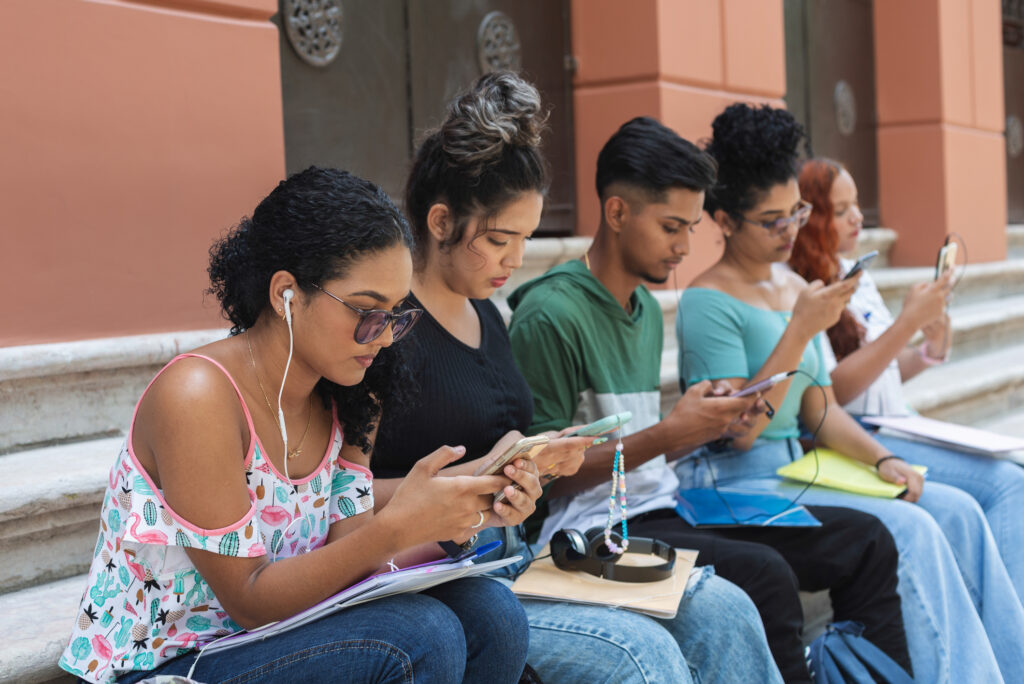
Stanford-led research investigates impact of nationwide smartphone ban in Brazil schools
Research led by Accelerator Faculty Affiliate Guilherme Lichand indicates improved focus and test scores and a decline in online bullying, but also increased anxiety and boredom among students.
Link to Five myths about AI and education
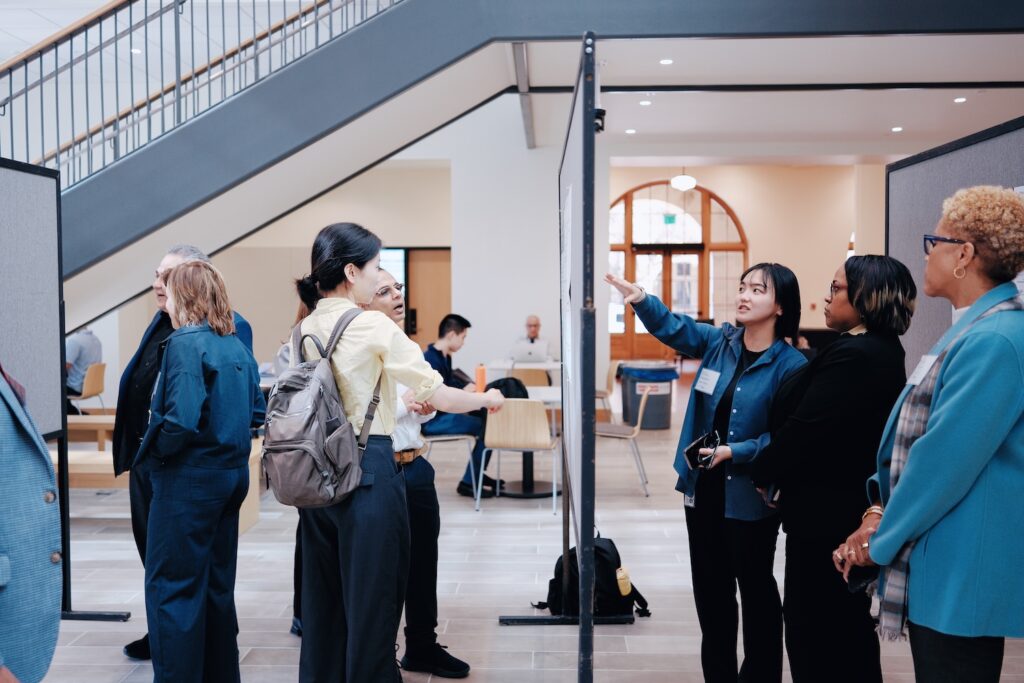
Five myths about AI and education
A series of events at the Stanford Accelerator for Learning sheds light on the path forward for AI in teaching and learning.