Dear friends, collaborators, and champions of the Stanford Accelerator for Learning,
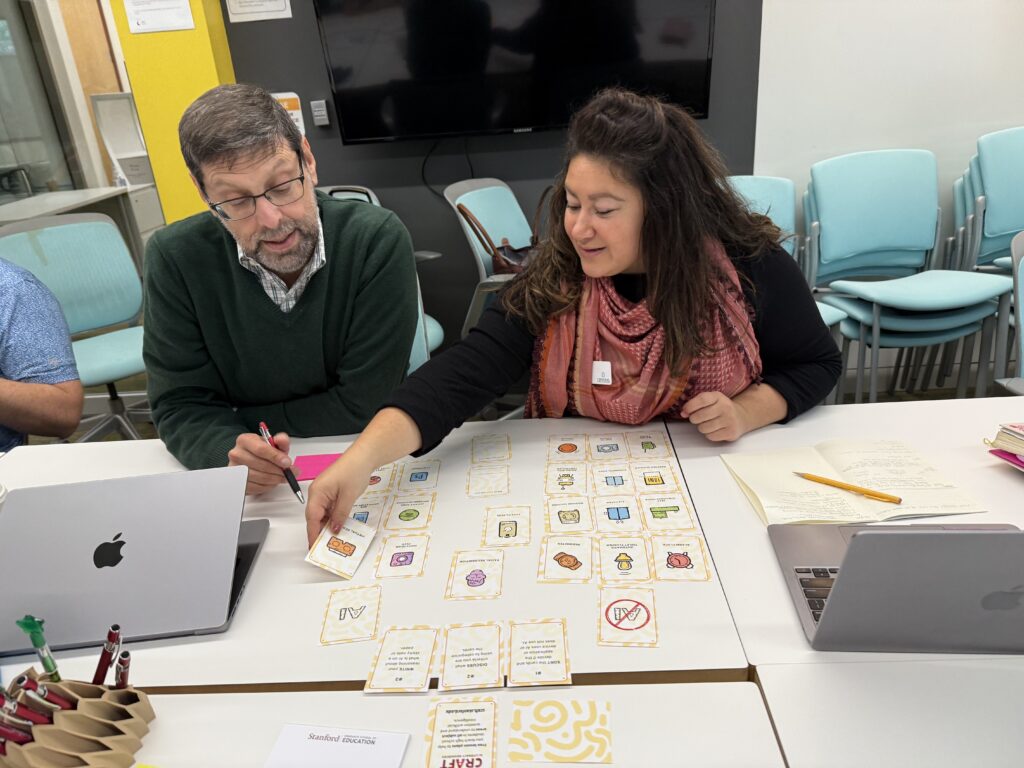
A few months ago, we welcomed a group of superintendents, principals, and education leaders from Illinois and California to Stanford to discuss the future of learning in the age of artificial intelligence.
The conversation began where many conversations do these days: with technology. Participants explored generative AI, tutoring systems, assessment, and the extraordinary pace of innovation. There was excitement, curiosity, and no shortage of questions. Yet as the day unfolded, the conversation gradually shifted.
One superintendent spoke about helping students develop a sense of belonging. Several reflected on rising questions from families on the effectiveness and risks of technology. A principal described the challenge of nurturing curiosity in a world increasingly filled with distraction. Others wondered how schools could cultivate resilience, agency, adaptivity, creativity, and purpose.
By the end of the day, the central question was no longer, “What can AI do?” It had become, “What kind of humans do we hope our students become?”
That conversation has stayed with me throughout the year.
It captures what I believe is one of the defining challenges, and opportunities, of our time. Artificial intelligence is advancing at remarkable speed. Yet the future of learning is not ultimately about technology. It is about people. It is about how we help every learner develop the knowledge, skills, relationships, and sense of purpose needed to flourish in a rapidly changing world.
This year, the Stanford Accelerator for Learning continued to advance that mission through research, innovation, entrepreneurship, policy engagement, and strategic collaborations. Looking back, I am struck not only by what we accomplished, but by how much the conversation around learning itself is evolving.
Expanding the Future of Learning
Five years ago, the Stanford Accelerator for Learning was created with a bold aspiration: to bridge research, practice, and policy in service of learners.
Today, that mission feels more important than ever. The Accelerator has reached more than 10 million learners, seeded nearly 200 projects (many thriving and scaling), launched multiple randomized controlled trials on the impact of AI on education in collaboration with leading AI labs OpenAI, Google DeepMind, and Anthropic, and built a wide network of expertise spanning schools, organizations, and the university. Our work is increasingly reaching learners at scale, from expanding high-impact tutoring across the United States to bringing Stanford-developed models, such as the AI Tinkery, to countries around the world. Together, we are creating new knowledge, evidence, and tools to deepen our understanding of how learning happens, and how it can improve.
But this is just the beginning. Increasingly, our role is not simply to advance existing fields, but to help shape what comes next.
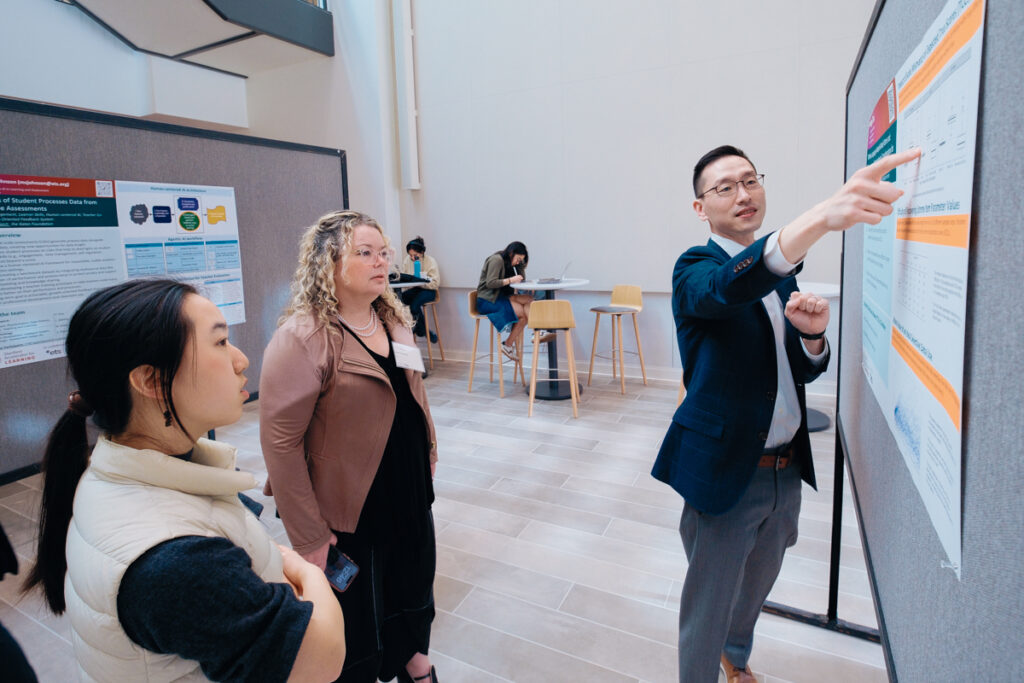
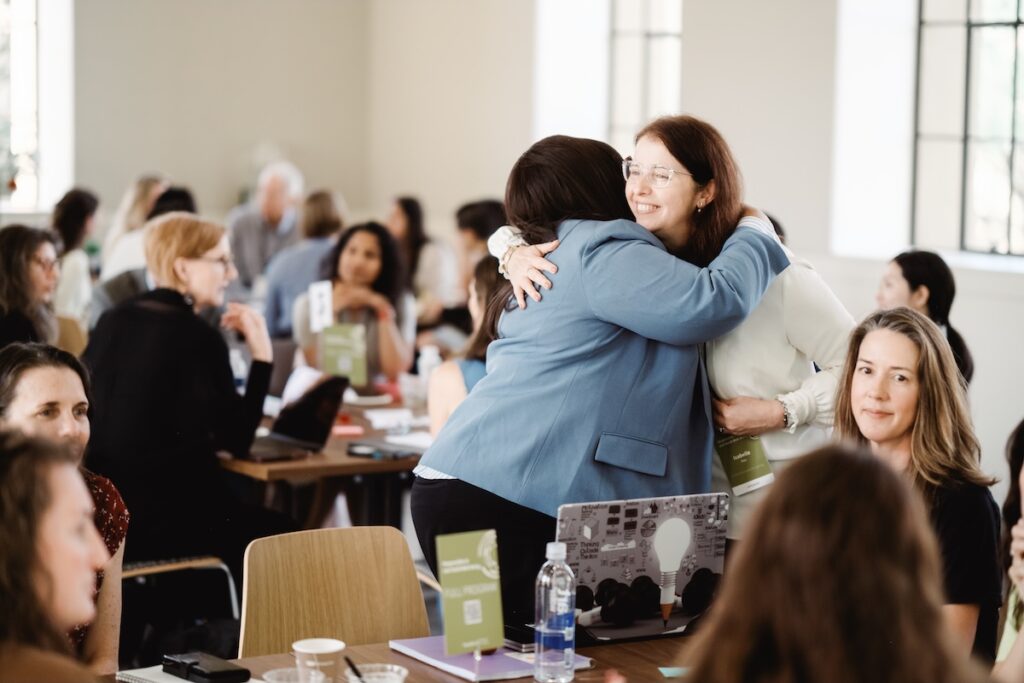
This year, we convened thousands of educators, researchers, students, entrepreneurs, policymakers, philanthropists, and technology leaders to tackle questions that barely existed a decade ago, in collaboration with organizations including ETS, Google, and many others. We published white papers, stories, and research, and held discussion groups and webinars to disseminate our learnings.
Advancing Learning in the Age of AI
No force has influenced education more rapidly this year than artificial intelligence.
The Stanford Accelerator for Learning has sought to play a unique role in this moment, not as an advocate for or critic of technology, but as a trusted bridge between innovation and evidence.
One of our most significant efforts has been our research engagement with OpenAI, Google DeepMind, Anthropic, MagicSchool, and School.ai. Stanford serves as the lead research partner on several initiatives designed to better understand the impact of AI on learning outcomes. This includes a national-scale study in Estonia examining whether AI can strengthen higher-order cognitive skills among high school students, with preliminary results expected this fall. As schools and institutions increasingly adopt AI tools, rigorous evidence is essential. We are proud to help build the research foundation that can inform educators, policymakers, and technology developers alike.
We also deepened our collaboration with Google Research through AI Quests, a free AI literacy initiative designed to help young people understand, navigate, and shape an AI-powered world, now reaching nearly one million learners. Together, we are working toward a future where AI literacy becomes foundational.
At the same time, we expanded our role within Stanford as a hub for understanding the implications of AI for teaching, learning, and human development. Through our AI+Education Summit, faculty convenings, AI research repository, and campus-wide communities of practice, we helped synthesize emerging evidence and share what we are learning across schools and disciplines. As faculty across Stanford increasingly explore how AI is reshaping education, healthcare, work, creativity, and society, the Accelerator has become a gathering place for researchers seeking to understand not only what AI can do, but how it can best support human learning and flourishing.
Throughout the year, we convened leaders to focus on responsible assessment in the age of AI, AI and youth well-being, AI and learning differences, and AI-powered innovation. Through initiatives such as the Create+AI Challenge, Youth-Powered AI, and Learning Design Challenge, we elevated the voices of students, alumni, and educators as co-creators of the future, rather than simply recipients of technological change.
Across all of these efforts, one theme emerged repeatedly: technology matters most when it strengthens human potential.
Advancing Research with Real-World Impact
The heart of the Accelerator remains research.
This year, our faculty affiliates continued to advance groundbreaking work across learning sciences, neuroscience, psychology, education, technology, workforce learning, and human development. Faculty Affiliates Tom Dee and Guilherme Lichand, for example, both published landmark studies on the impact of phone bans in schools. We also launched new seed grant programs supporting emerging areas of inquiry, including Tequity (technology and equity), Joyful Learning, and AI for Teaching and Learning at Stanford.
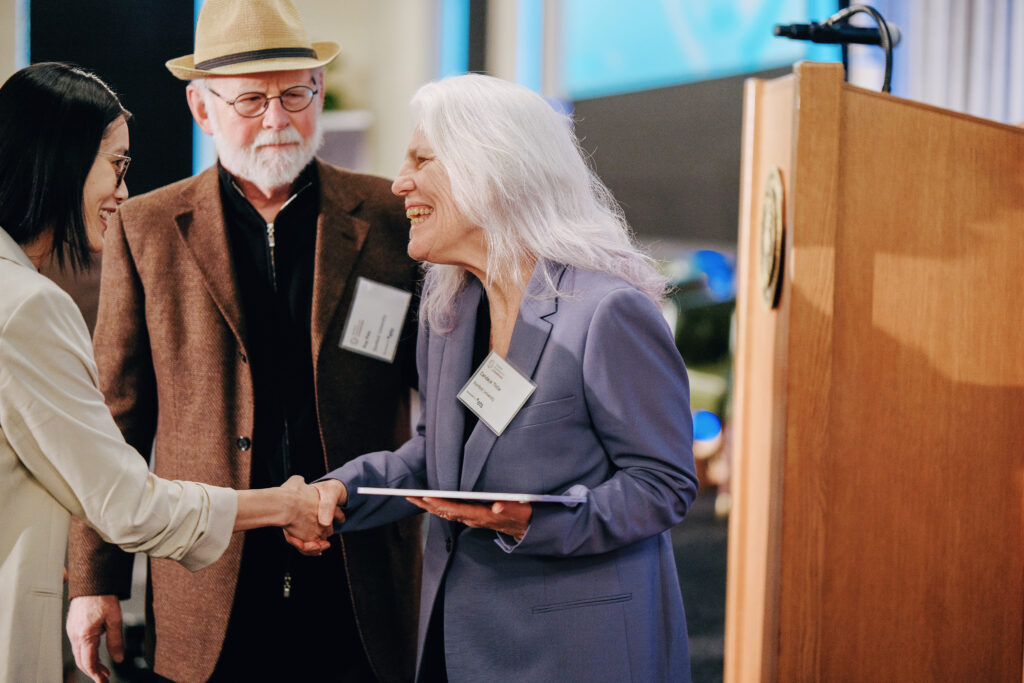
We were especially proud to see faculty co-director Maisha Winn serve as president of the American Educational Research Association, one of the most influential scholarly organizations in the field, as well as Faculty Affiliate Alfredo Artiles preside over the National Academy of Education and Antero Garcia preside over the National Council for Teachers of English. Their leadership reflects the extraordinary strength and impact of Stanford's educational research community.
Across the Accelerator, faculty explored questions that increasingly transcend traditional academic boundaries. How do we cultivate curiosity? What drives joyful learning? These questions are helping expand the field of education itself.
Elevating Entrepreneurship and Innovation
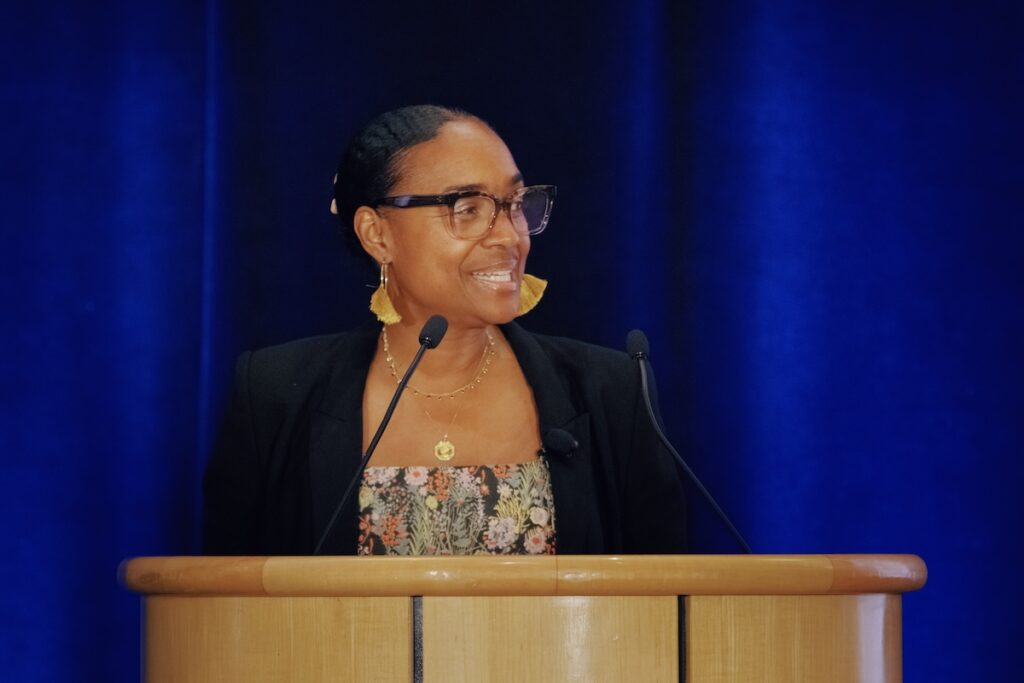
Innovation requires builders. Through the Education Entrepreneurship Hub, Stanford students and emerging entrepreneurs continued transforming ideas into solutions with the potential to improve learning at scale.
This year, student and faculty ventures received meaningful national and international recognition through competitions and awards including QS Awards, ASU+GSV, and SXSW EDU. These accomplishments reflect the creativity, ambition, and sense of purpose that characterize Stanford's next generation of learning innovators.
At the same time, the Accelerator continued to institutionalize a set of platforms that have become central to our mission. The AI Tinkery expanded as a space where educators, students, and researchers can experiment with emerging technologies and build AI literacy. It is now evolving into a global network, supported by a playbook that enables partners to establish AI Tinkery sites in their own communities and extend access to hands-on AI learning around the world. The Accelerator Studio continued to support faculty and project teams as they moved promising ideas from discovery toward implementation. The Studio provides research and technical expertise that otherwise wouldn’t be available. The Education Entrepreneurship Hub grew into a vibrant community supporting students, researchers, and founders committed to improving learning outcomes.
Together, these platforms reflect an important evolution of the Accelerator. We are not only supporting individual projects; we are building enduring infrastructure that enables innovation, collaboration, and impact across Stanford and beyond.
Strengthening the Bridge Between Research and Practice
One of the Accelerator's greatest strengths is our ability to connect researchers and practitioners.
This year, we expanded our Distinguished Practitioners in Residence program, bringing accomplished leaders from education, philanthropy, government, and industry into deeper collaboration with faculty and students. These relationships enrich research, strengthen implementation, and ensure that ideas are informed by real-world experience.
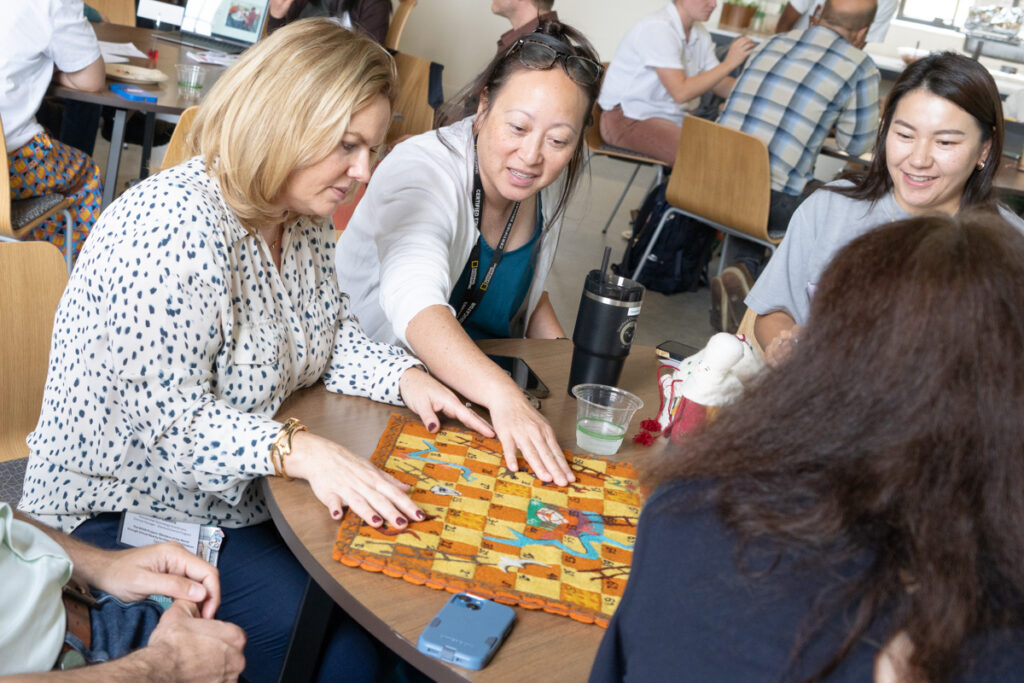
Similarly, our exchanges with school districts, education leaders, and practitioners across the country reinforced the importance of creating spaces where researchers and practitioners can learn from one another. The future of learning will not be built by any single institution. It will emerge through collaboration.
Expanding Our Role in Policy
This year, the Accelerator also deepened its engagement in policy conversations at the state, national, and international levels. In California, Faculty Co-Director Susanna Loeb spearheaded a major new Getting Down to Facts initiative, bringing together research and evidence to inform the state’s next governor and help advance educational improvement at scale. Faculty Lead Victor Lee led the development of a major AI literacy framework in partnership with the OECD, helping shape how education systems worldwide define and advance the knowledge and skills learners need in the age of AI.
We also continued engaging with policymakers, education systems, philanthropies, and global organizations seeking guidance on AI, learning, and human development, including UNICEF, UNESCO, US Congress, and ministers of education. Increasingly, through these conversations and research briefs, we are helping translate research into action and ensuring that evidence gets in the hands of decision-makers who affect millions of learners.
As public leaders confront unprecedented questions about technology and society, there is a growing need for trusted institutions that can bring together evidence, expertise, and diverse perspectives. We are proud to help fill that role.
Joyful Learning and Human Flourishing
One theme that surfaced repeatedly throughout the year was joy.
Across classrooms, research projects, entrepreneurial ventures, and partnerships, we saw growing interest in understanding how learning can become more engaging, meaningful, and motivating.
This shift reflects a broader evolution in how we think about educational success. At its best, learning helps people discover who they are. It nurtures curiosity and creativity. It helps individuals develop confidence, agency, and purpose. It enables people to build meaningful relationships, contribute to their communities, and continue growing throughout their lives.
This perspective informs the work of the Accelerator. The future will reward our capacity to learn, adapt, create, connect, and find meaning. These deeply human capacities have long been central to learning, and they may become even more valuable in the years ahead.
For us, joyful learning is not a peripheral aspiration. It is a pathway to learning and human flourishing.
Looking Ahead
As we prepare to celebrate the five-year milestone of the Accelerator, we have found ourselves reflecting on how education is evolving.
For much of the past century, educational progress was defined by access. Expanding access to schooling remains one of the great achievements of modern education and remains unfinished work. Yet access alone is no longer enough. Quality learning is now the goal.
I leave this year deeply optimistic.
- I am optimistic because of the researchers pushing the boundaries of knowledge.
- I am optimistic because of the educators who continue to inspire learners every day.
- I am optimistic because of students whose imagination and creativity consistently exceed our expectations.
- I am optimistic because of the entrepreneurs building new solutions, the policymakers seeking evidence, and the partners willing to collaborate across sectors.
- Most of all, I am optimistic because I see growing recognition that the future of learning is inseparable from the future of humanity.
The coming years will undoubtedly bring new discoveries, new technologies, and new challenges. But the core mission of the Accelerator remains unchanged: to advance learning through science and design.
Thank you to our faculty, staff, students, donors, partners, and friends for making this work possible.
Together, we are helping shape the future of learning.
With gratitude,
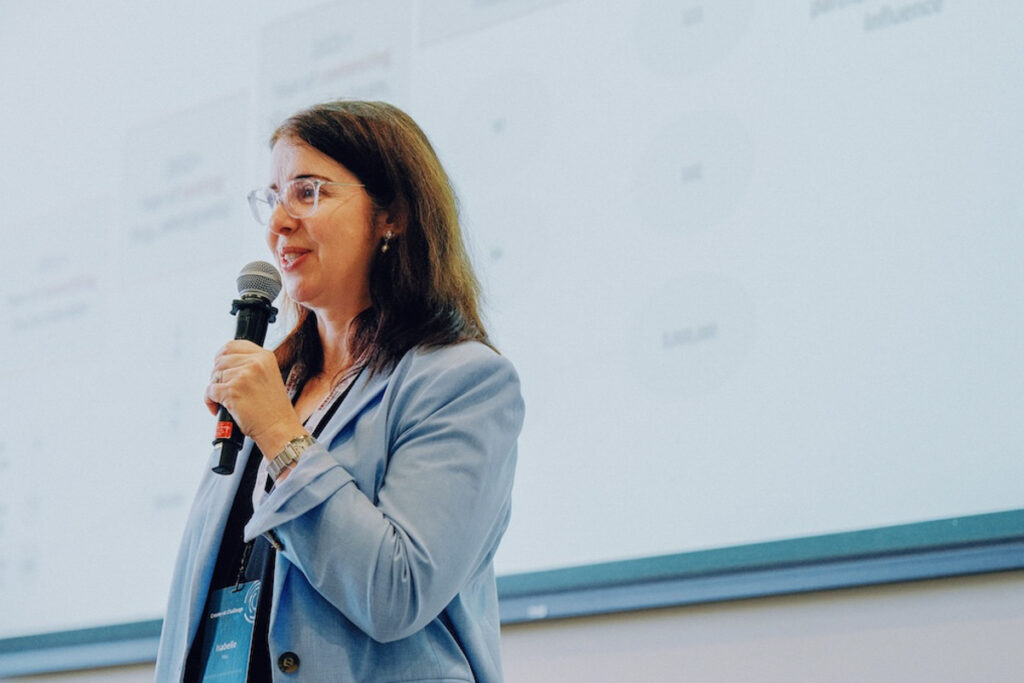
Isabelle C. Hau
Executive Director
Stanford Accelerator for Learning