Top Stories
Link to read
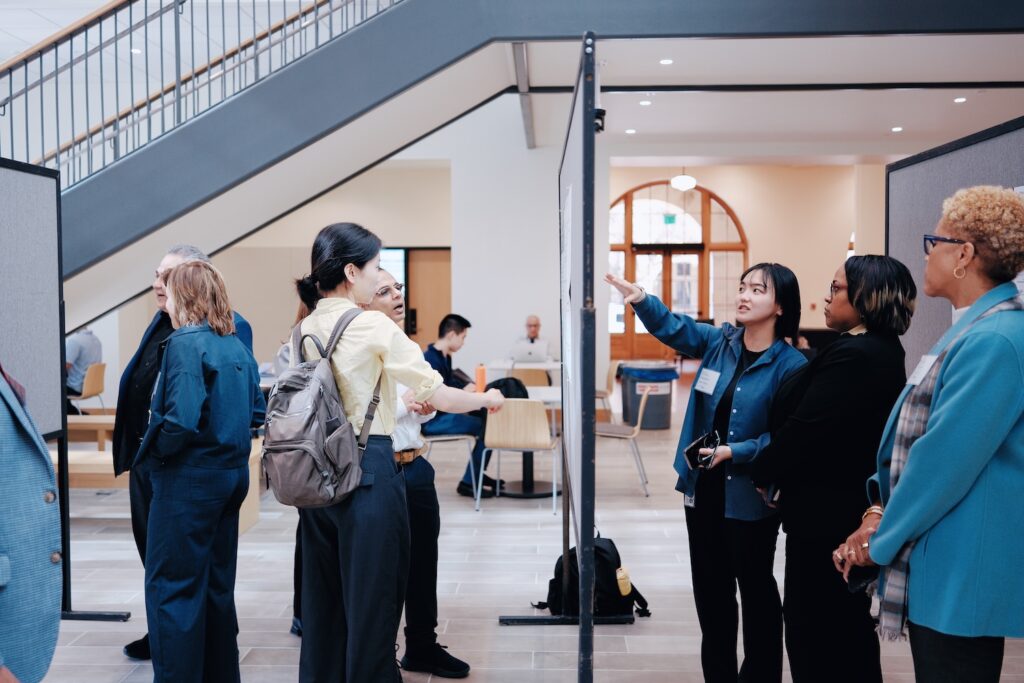
Five myths about AI and education
A series of events at the Stanford Accelerator for Learning sheds light on the path forward for AI in teaching and learning.
Link to read
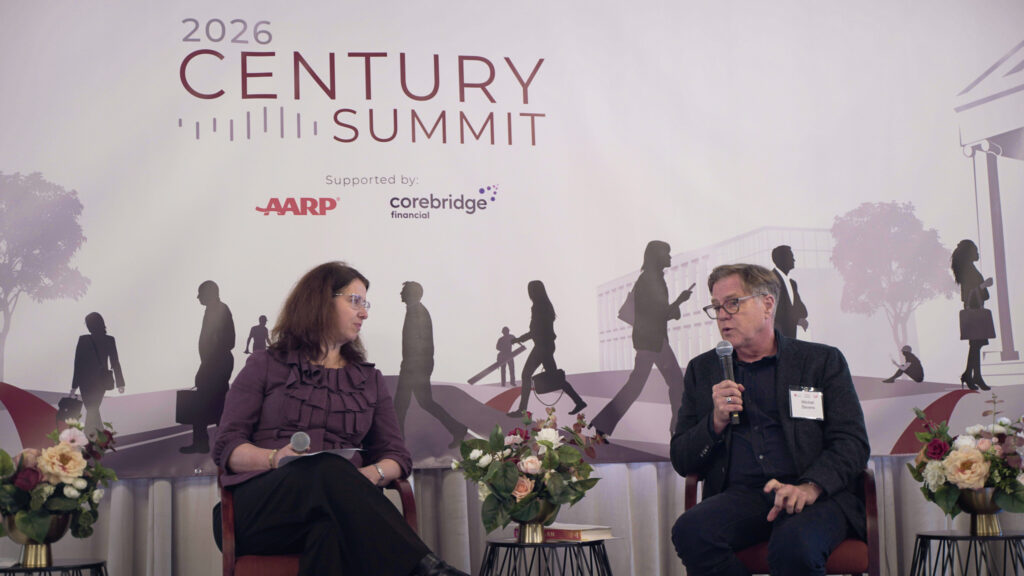
A new model for learning and work, incubated at Stanford
Accelerator Faculty Affiliate Mitchell Stevens talks about an initiative to rethink learning so that Americans can prosper in the wake of technological change and lengthening lifespans.
Link to read

What Your Phone Knows Could Help Scientists Understand Your Health
Stanford researchers have released an open-source platform that lets health researchers study the “screenome” – the digital traces of our daily lives – while protecting participants’ privacy.
Link to read
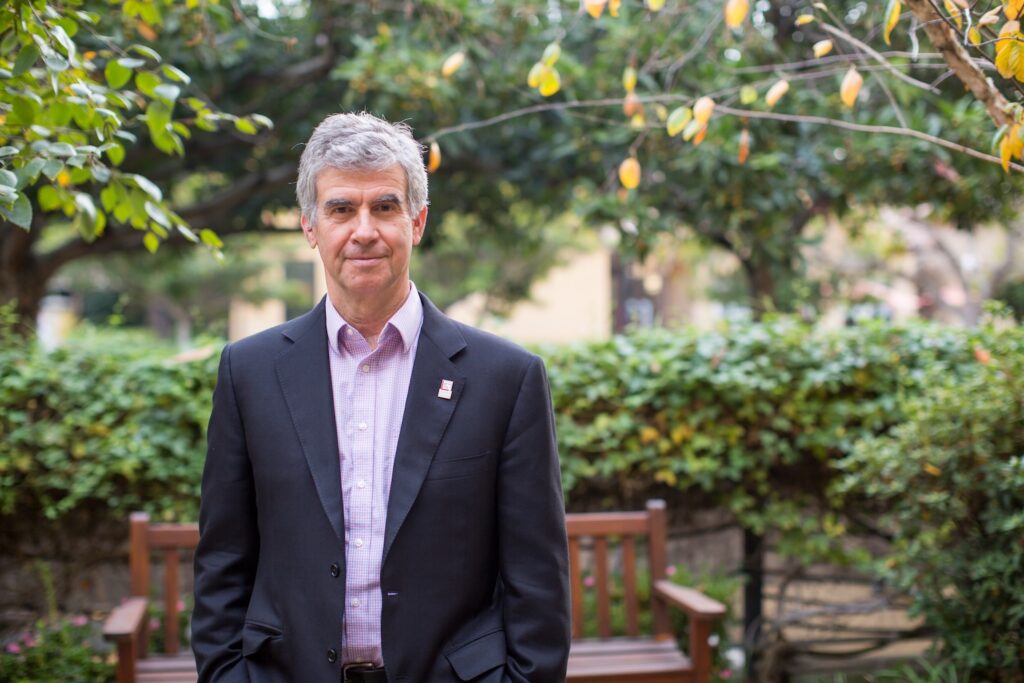
Dan Schwartz to step down as dean of Stanford Graduate School of Education
Schwartz, who will continue to lead the Stanford Accelerator for Learning, has guided the GSE through unprecedented change during an era of major disruption in education and a technological revolution in learning.
More stories
Link to read
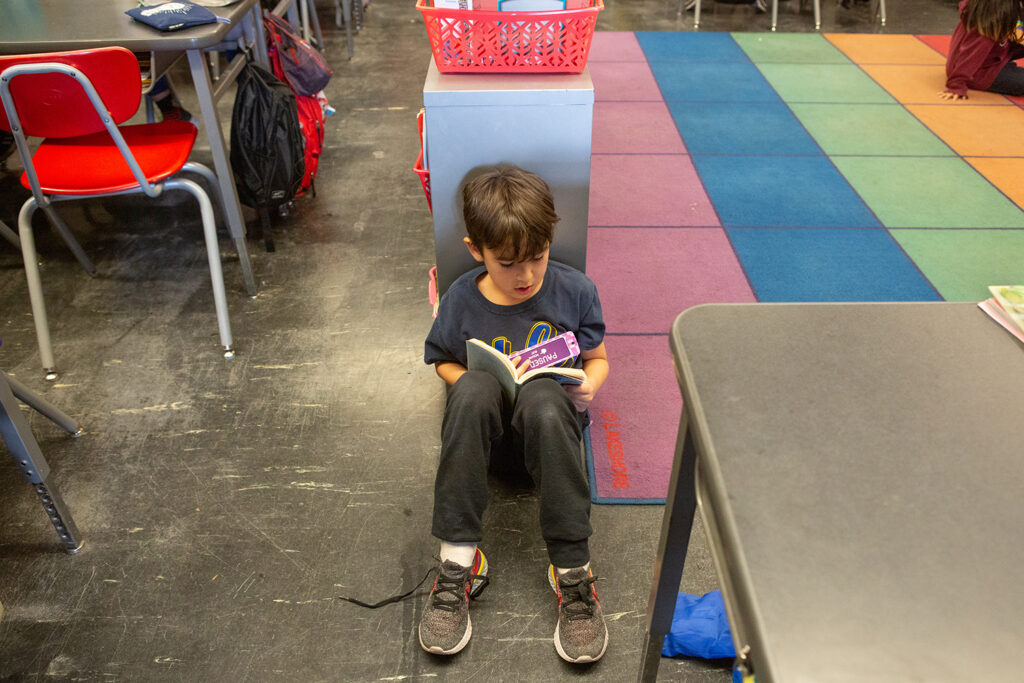
Dyslexic children show differences in brain reading region
A new study reveals that the visual word form area, vital for text recognition, is smaller or absent in dyslexic children. Intensive reading intervention can help.
Link to read
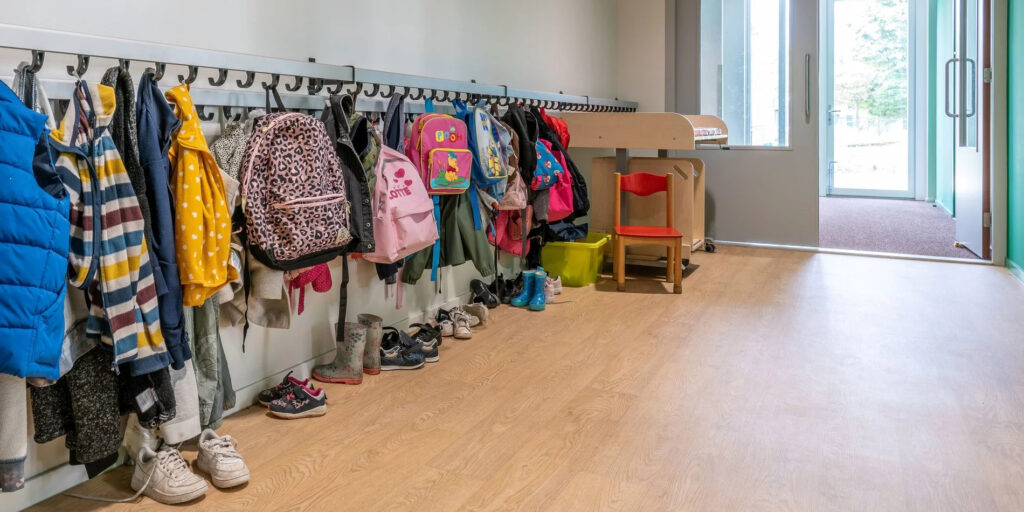
Schools may be finding ways around suspension bans, Stanford research reveals
A new study emerging from SFUSD's Shoestrings program reveals informal exclusionary discipline is a widespread problem — but there are solutions.
Link to read
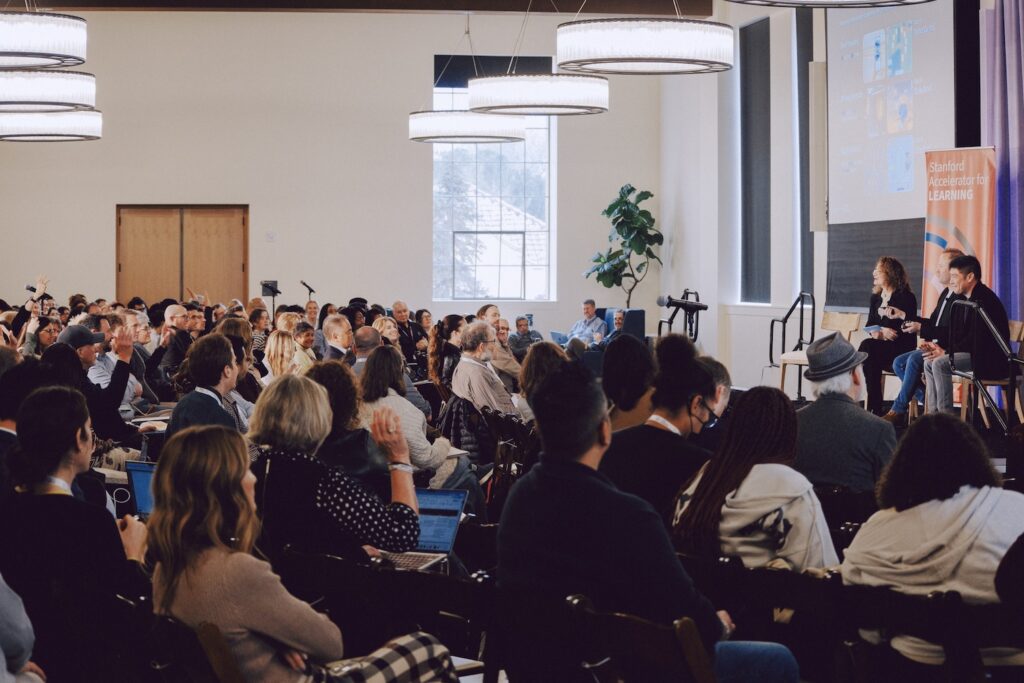
AI challenges core assumptions in education
We need to rethink student assessment, AI literacy, and technology’s usefulness, according to experts at the recent AI+Education Summit.
Link to read
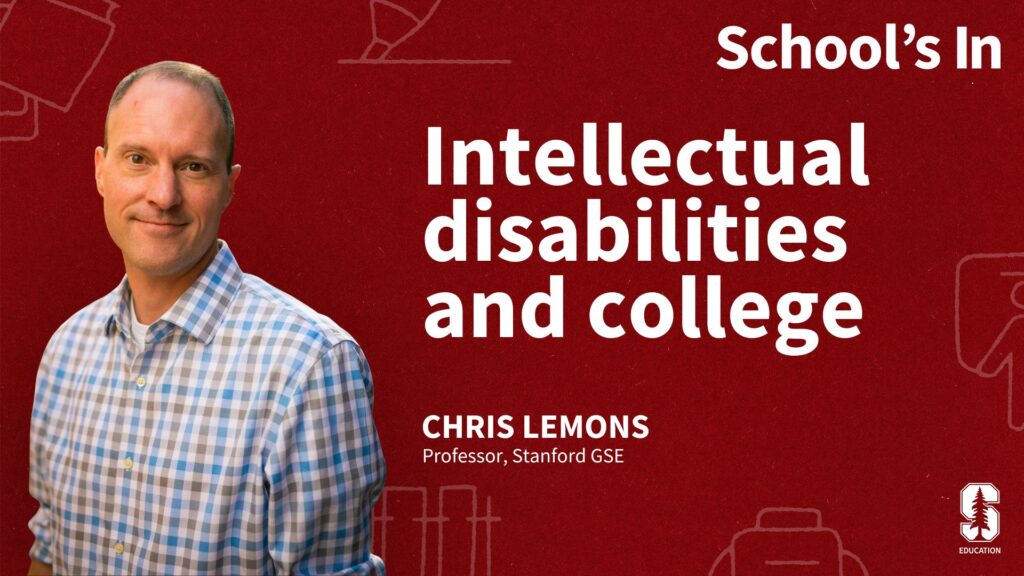
Intellectual disabilities and college: Envisioning bright futures ↗
“Presumed competence” can improve learning outcomes for students with intellectual and developmental disabilities, says Christopher Lemons, faculty director of the Learning Differences initiative, on the latest episode of the School's In podcast.
Link to read

How the ‘science of reading’ is reshaping literacy education
Stanford Professor Rebecca Silverman discusses a transformative movement backed by research that is changing literacy instruction in schools nationwide.
Link to read

How math learning disabilities affect problem-solving
New research from Stanford shows that children with math learning disabilities exhibit distinct brain activity patterns. The insights could pave the way for innovative support strategies.
Link to read

Letting students fidget can boost creativity, Stanford-led research finds
A new study finds that giving middle schoolers the freedom to move in their seats enhances creativity without diminishing their ability to pay attention or remember information.
Link to read

‘Our goal is to build bridges between the lab and the classroom’ ↗
By studying why some kids struggle to read, cognitive neuroscientist and Accelerator Faculty Affiliate Jason Yeatman hopes to make education work better for all students and deepen science’s understanding of the brain.
Link to read

What parents need to know about AI in the classroom ↗
From immersive learning and personalized tutors to lesson plans and grading, AI is everywhere in K-12 education. Victor Lee, faculty lead for the Accelerator's AI + Education program, offers three steps for parents to get informed and involved.