Overview
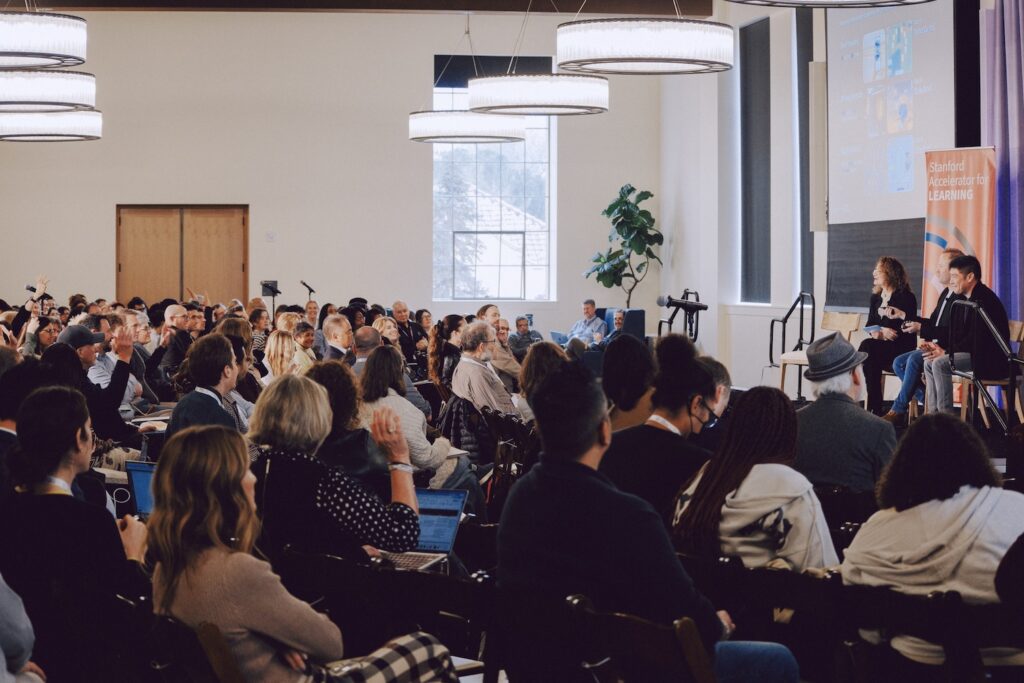
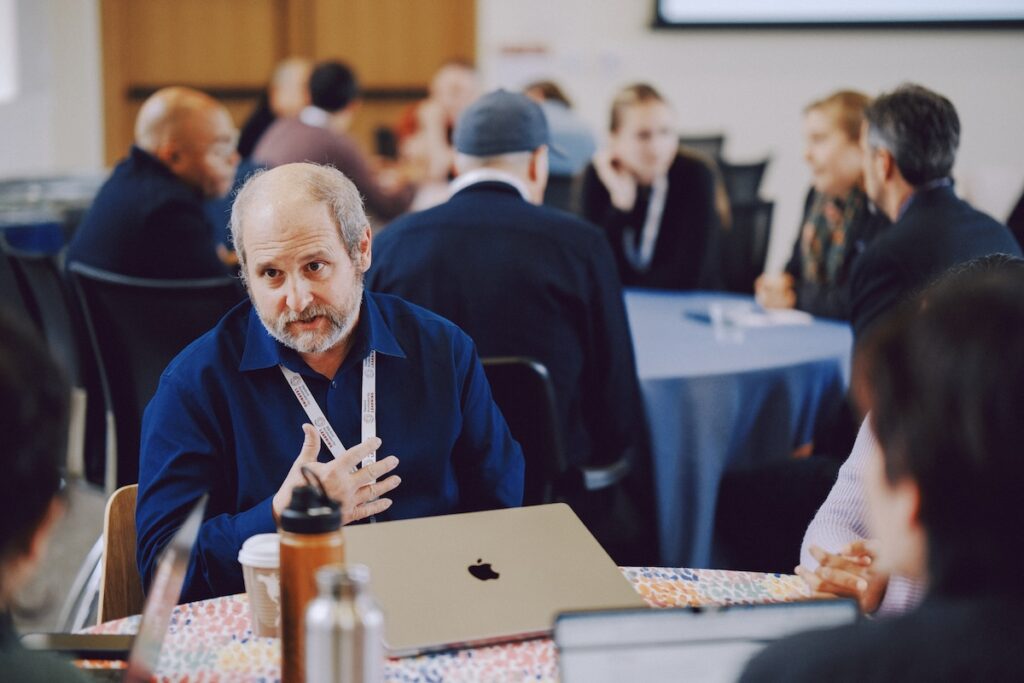
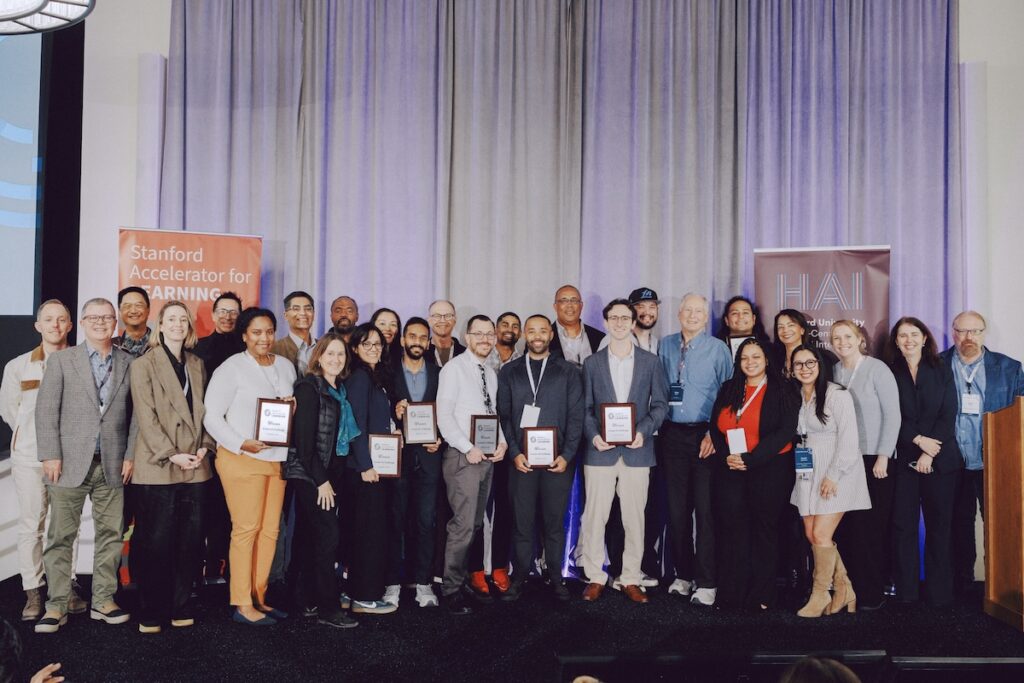
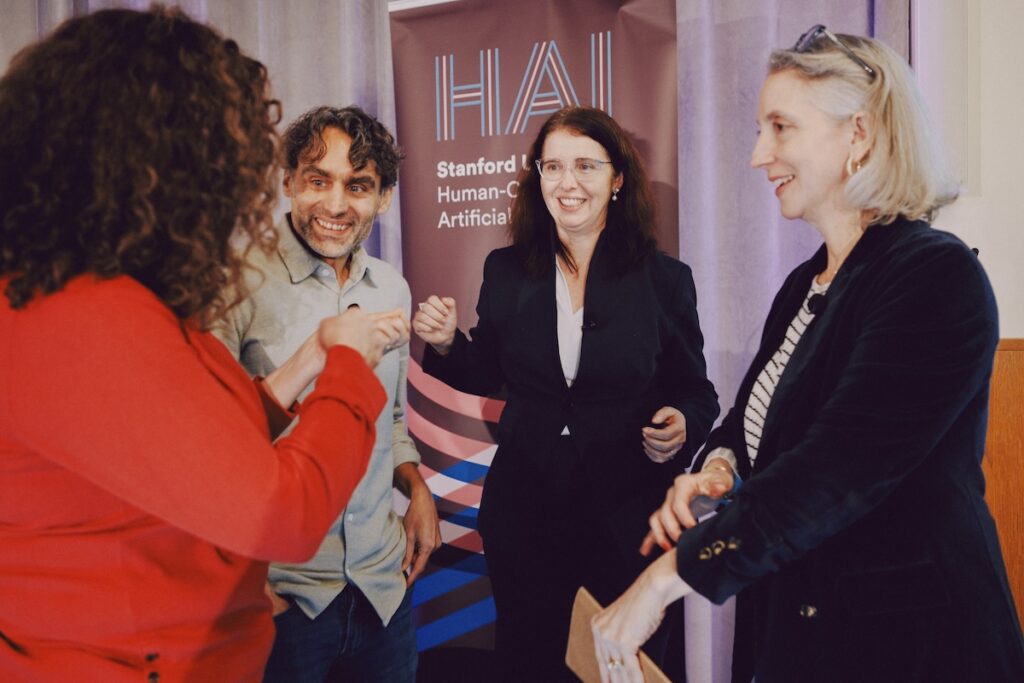
Now in its fourth year, the AI + Education Summit convened researchers, educators, technology leaders, policymakers, and philanthropic partners at a moment of real uncertainty—and unprecedented possibility. AI is advancing faster than our learning systems, raising urgent questions about creativity, critical thinking, fairness, trust, opportunity, and what it truly means to learn.
This year’s gathering grappled with that inflection point: how AI, grounded in the learning sciences, can strengthen learning rather than weaken it, expand creativity and critical thinking rather than narrow them, and help us move education from universal access to universal learning for every learner.
Photos: Ryan Zhang


Read the recap
AI challenges core assumptions in education
Session recordings
Image gallery
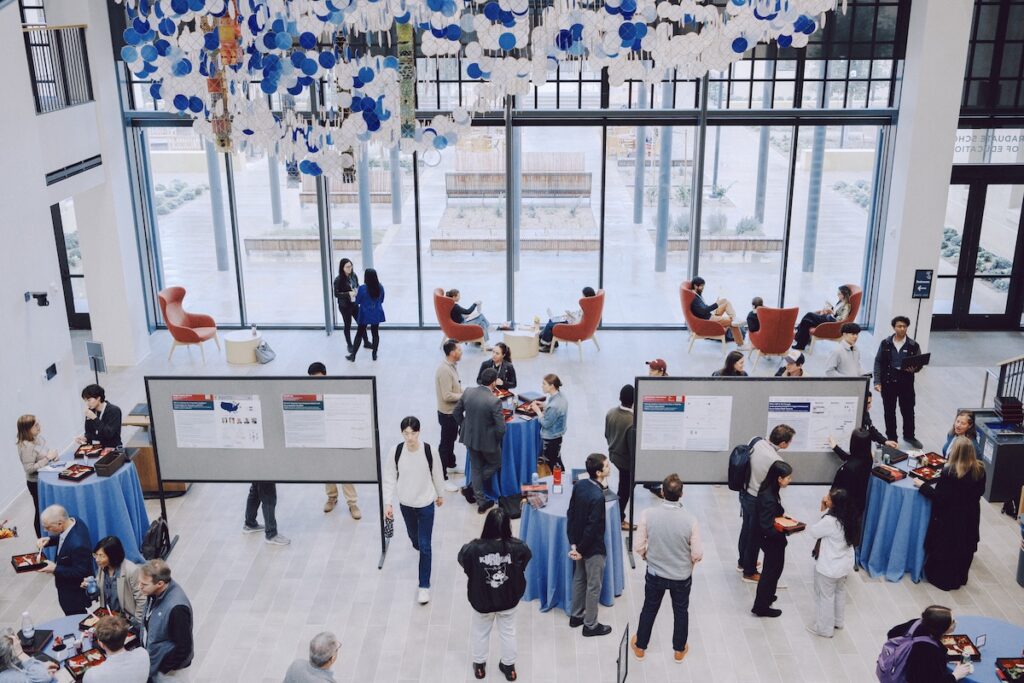
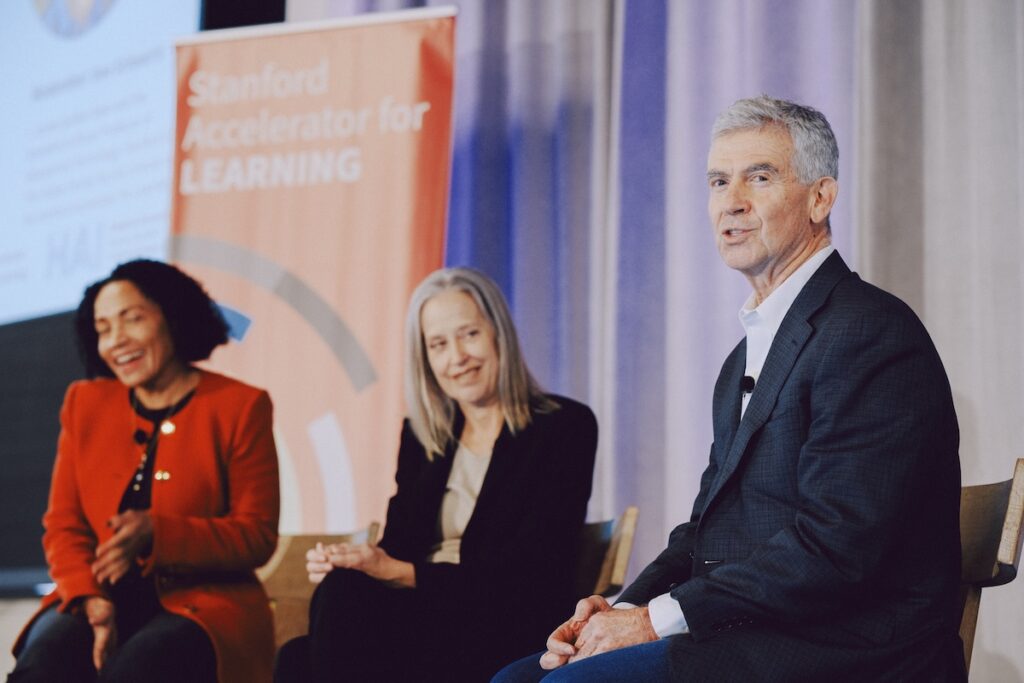
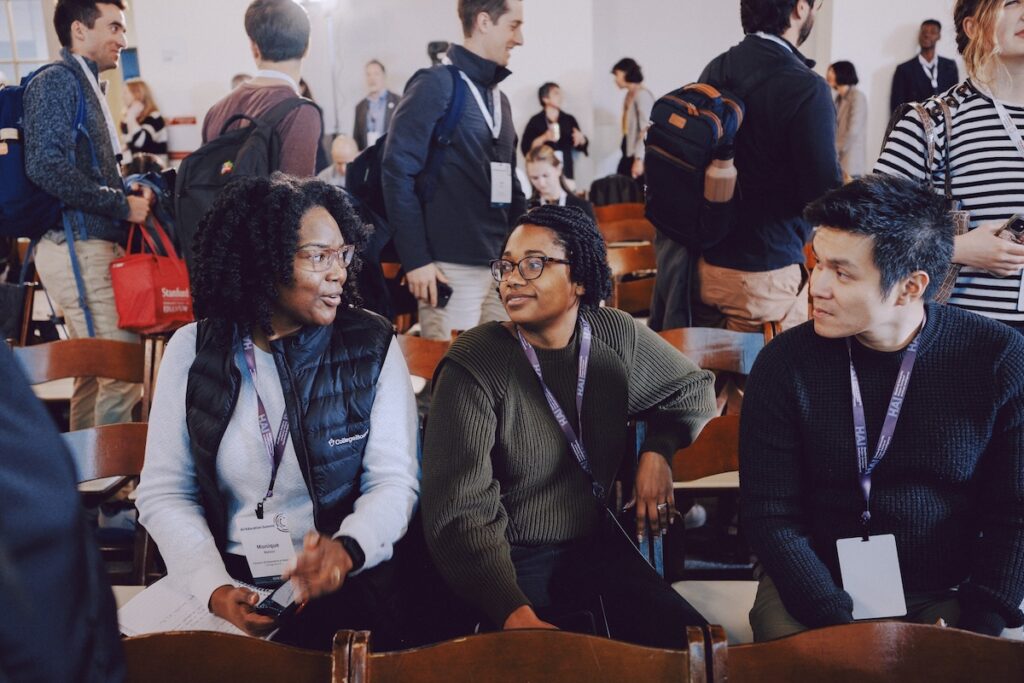
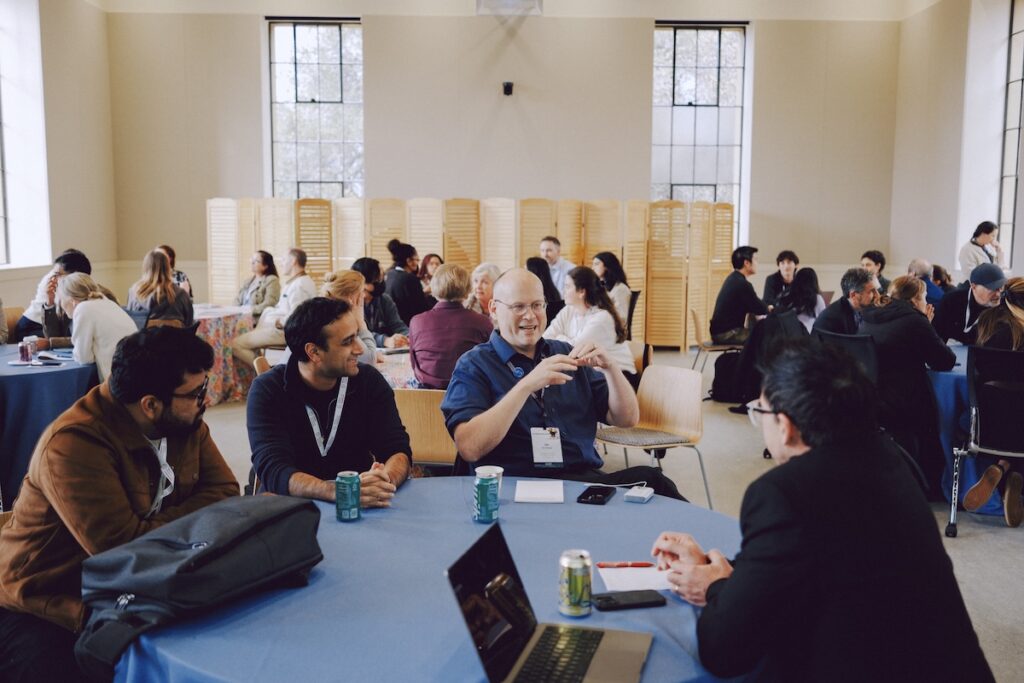
Speakers
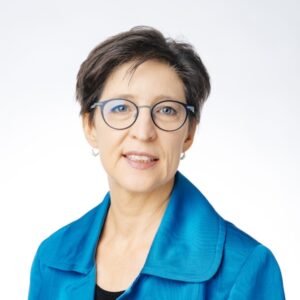



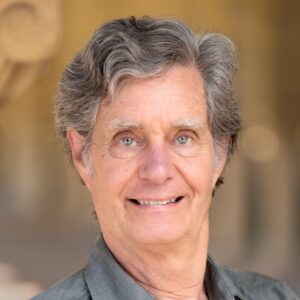
Chris Chafe
Music Department Chair, Stanford Center for Computer Research in Music and Acoustics
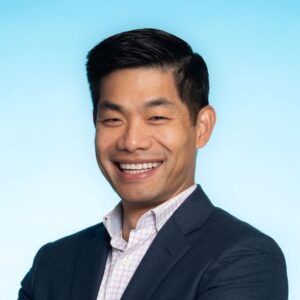
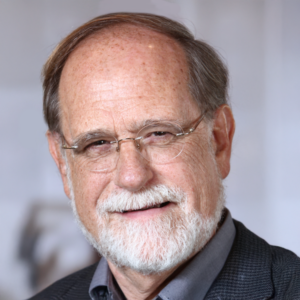


Julia Beth Dimitriou
Education Specialist, Fremont Unified School District

Bethanie Drake-Maples
CEO, Atypical AI; Researcher, Stanford Graduate School of Education
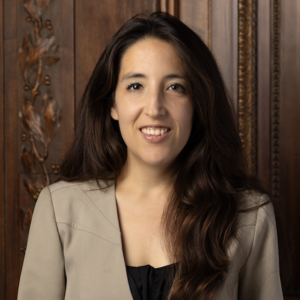
Caroline Figueroa
Harkness Fellow & Visiting Assistant Professor, Stanford School of Medicine


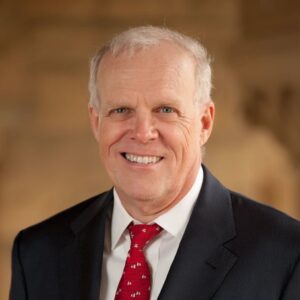

Patrick Hynes
Senior Manager of Research Communities, Stanford Institute for Human-Centered Artificial Intelligence

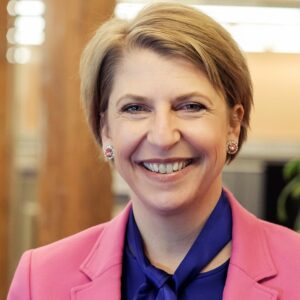
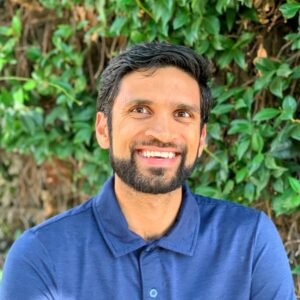
Pravin Kaipa
Education Specialist/Teacher Tech Mentor, Mountain View Whisman School District


James Landay
Anand Rajaraman and Venky Harinarayan Professor, Stanford School of Engineering







Sarahí Espinoza Salamanca
Education Entrepreneurship Hub Project Manager, Stanford Accelerator for Learning


Candace Thille
Adult & Workforce Learning Initiative Faculty Director, Stanford Accelerator for Learning


Maisha T. Winn
Equity in Learning Initiative Faculty Director, Stanford Accelerator for Learning